日本国内向け電子機器の収集と整備HUNTINGTON BEACH · CALIFORNIA, U.S.A.
ヒャクボルト日本のオーディオと時計COLLECTED / RESTORED / DOCUMENTED
JAPANESE DOMESTIC MARKET100V1960s — 1980s
読み物 / THE 100VOLTS JOURNAL

NOTES
ON SOUND.

音についての記録

Stories from the workbench and beyond: the equipment, engineering, and music that make listening worth the time.

工房から、その先へ。耳を傾ける時間を豊かにする機器や技術、そして音楽の話。

01 / FEATURED STORY
AUDIO & DESIGN   /   2026-09-09

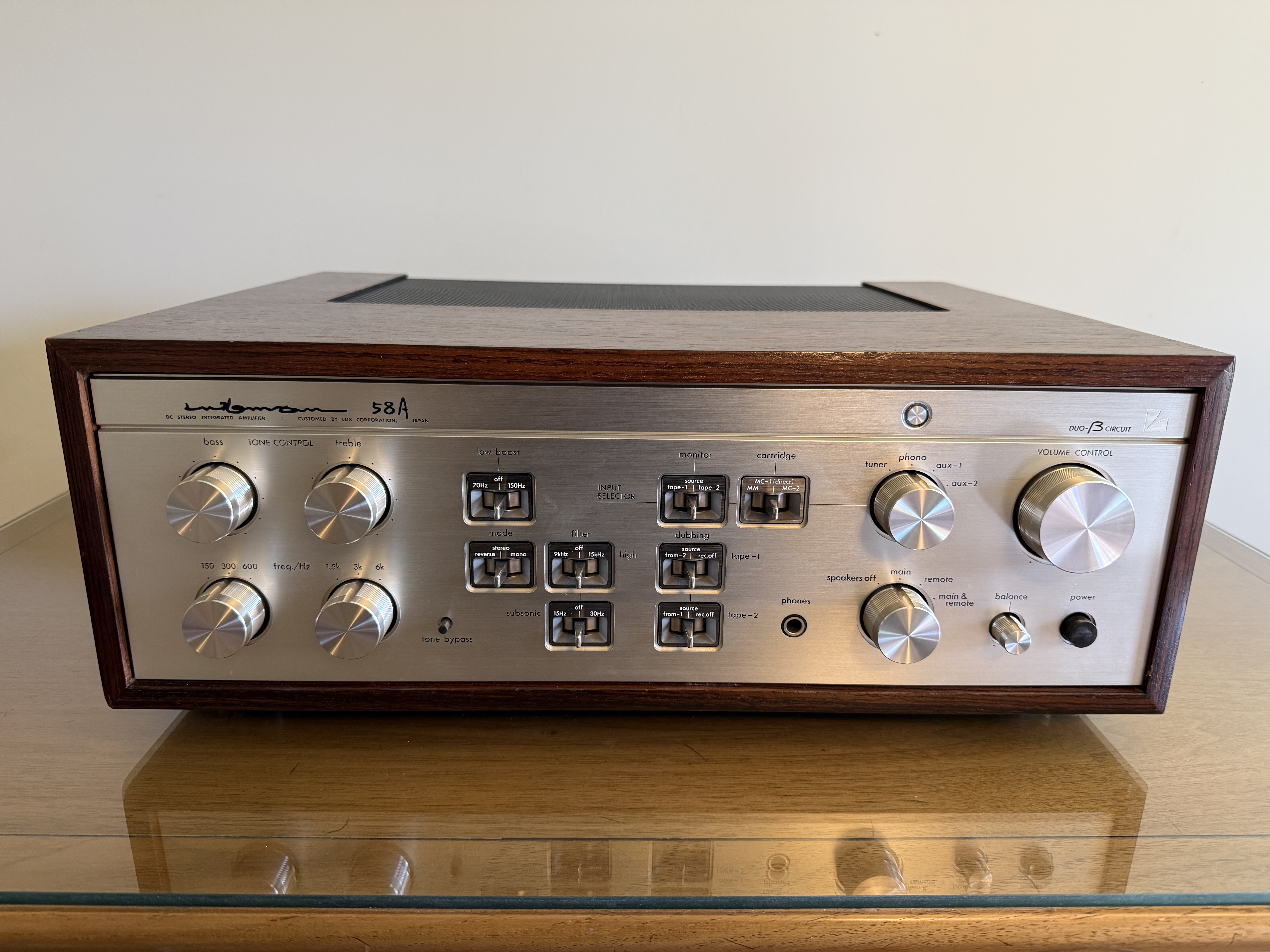
Hitachi 2SK134 / 2SJ49: The Lateral MOSFETs That Gave the Luxman L-58A its voice.

There are certain components in vintage audio that stop being merely components. The Hitachi 2SK134 and 2SJ49 are among them. I encountered this complementary pair in a Japanese-market Luxman L-58A, and they are a large part of what makes that amplifier such an interesting machine. The L-58A isn't simply an old Luxman with MOSFETs bolted onto the output stage. It comes from that fascinating period when Japanese manufacturers were actively exploring what power MOSFETs could do differently—and...

READ ARTICLE ↗
THE JOURNAL

AUDIO & DESIGN   /   2026-07-26

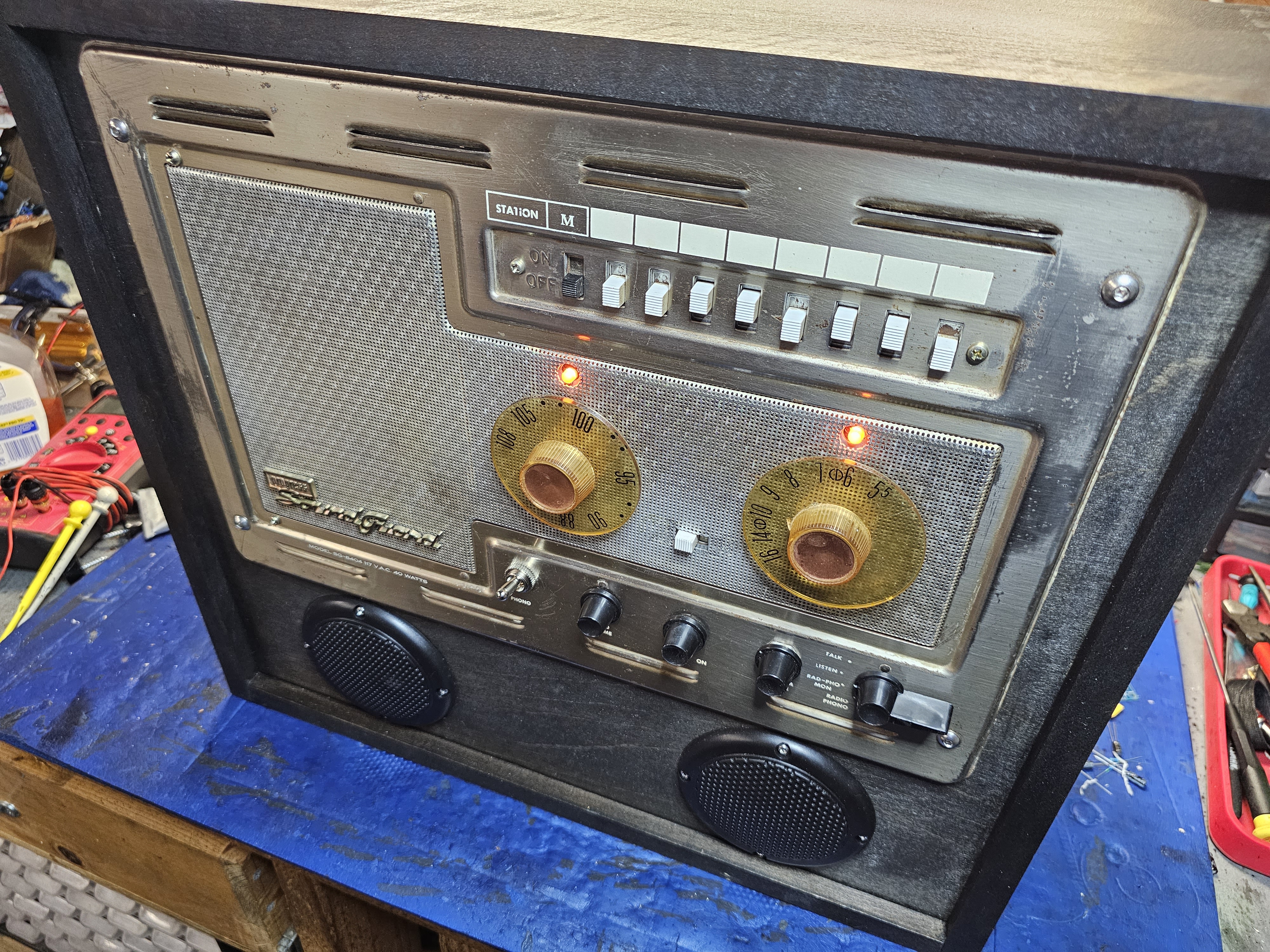
Saving a Piece of Home: A 1950s Intercom Reimagined

In late 2022, I was contacted about a restoration project unlike anything I had taken on before. The customer had grown up in a house equipped with a large, vacuum-tube intercom and radio system built directly into the wall. Years later, while visiting the vacant property with his children, he discovered that the old intercom was still there. Knowing the house would eventually be demolished, he removed the unit and saved it. It was no longer simply an obsolete piece of electronics. It was a...

READ ARTICLE ↗
WORKSHOP   /   2026-01-30

Amplifier and receiver speaker protection types (Part 2)

Crowbar Protection in Vintage Hi-Fi Amplifiers Fast, Violent, and Speaker-Focused Beyond fuses and relay protection, some vintage and semi-vintage amplifiers used a more aggressive—and frankly dramatic—method of speaker protection known as crowbar protection . It’s less common in consumer hi-fi than relays, but when it appears, it tells you a lot about the designer’s priorities: stop DC to the speakers at all costs—even if something has to die in the process . What Is Crowbar Protection? A...

READ ARTICLE ↗
WORKSHOP   /   2026-01-30

Amplifier and receiver speaker protection types (Part 1)

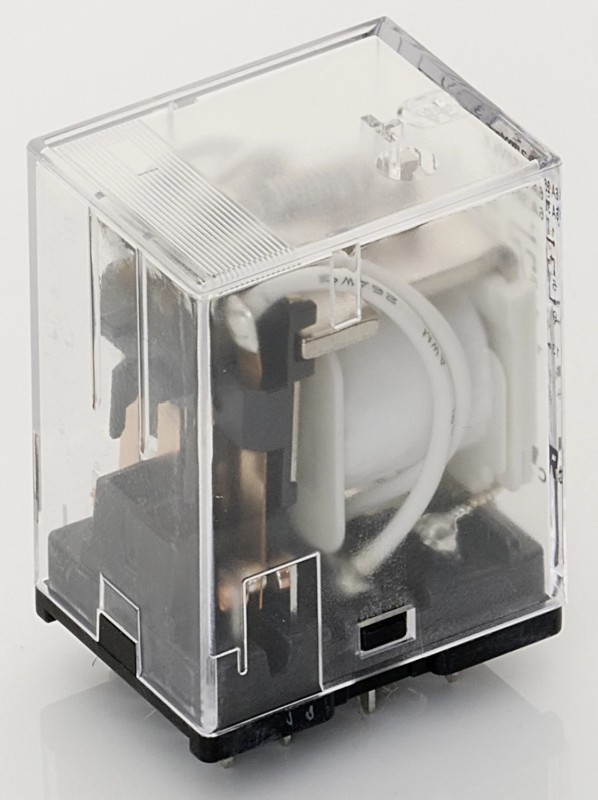
Kenwood KA-9100 original protection relay. Some relays have translucent covers and can also vary in size or pin layout. A typical blown speaker fuse. What They Do, Why They Exist, and Why It Matters Today One of the most important—and least understood—design differences in vintage hi-fi amplifiers is how the speakers are protected when something goes wrong. Long before microcontrollers and solid-state monitoring ICs, designers had to solve a simple but dangerous problem: How do we keep a...

READ ARTICLE ↗
WORKSHOP   /   2026-01-14

The Luxman L-100 and why it is Considered a Difficult Amplifier to Restore

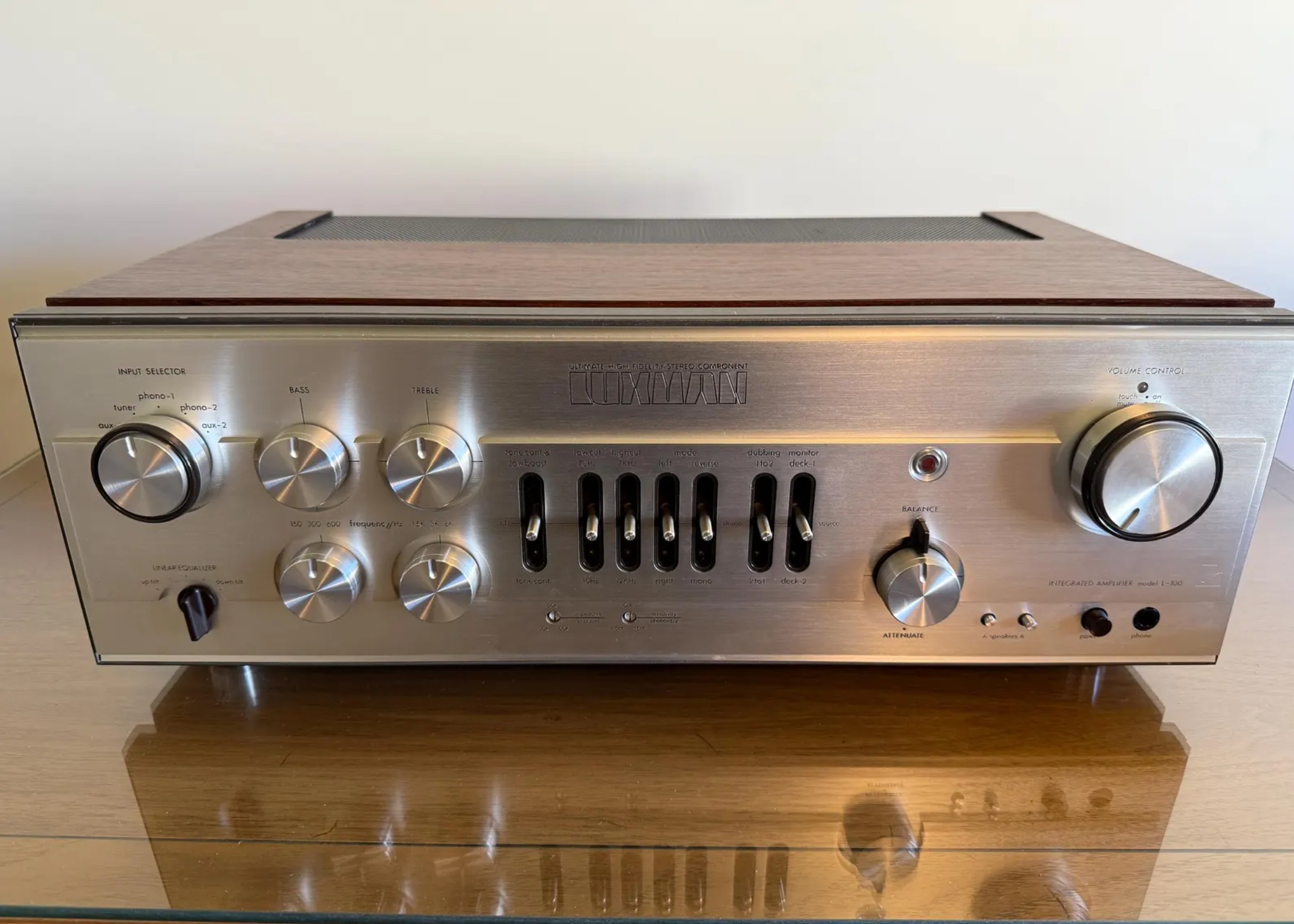
The guts of the L-100. Notice the new filter caps which are far smaller in physical size to the OEM units. The Luxman L-100 (mid-1970s) is one of those integrated amplifiers that earns reverence and wary respect on the bench. It’s not difficult because it’s “old.” It’s difficult because Luxman made very particular engineering choices—choices that sound wonderful when everything is healthy but raise the cost of mistakes and the amount of work required to bring one back properly. 1) It’s...

READ ARTICLE ↗
LISTENING   /   2026-01-12

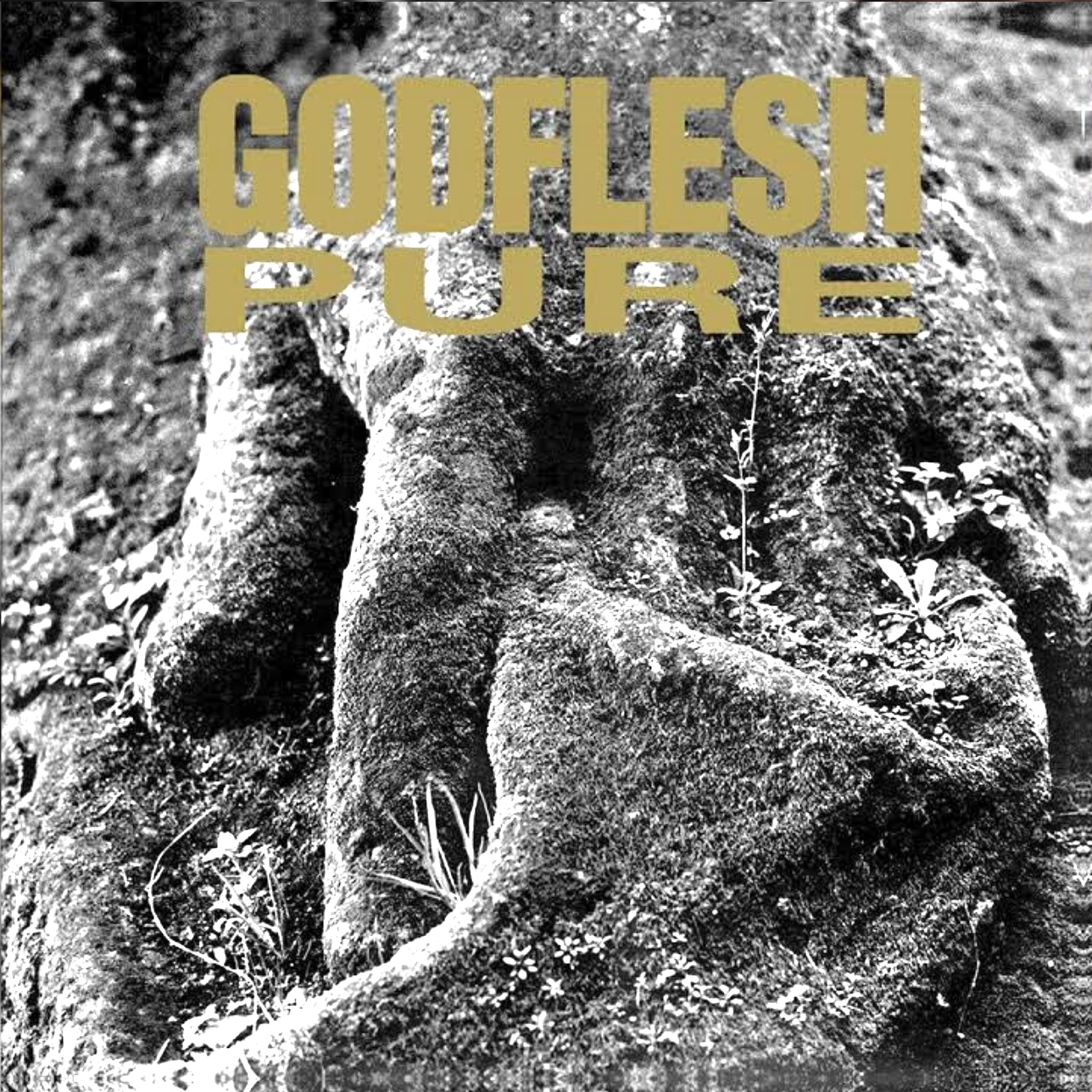
Godflesh – "Love, Hate (Slugbaiting)": The Underrated Phantom Lurking in the album: "Pure"'s Shadows...Where Breakbeats Meet Industrial Doom

If Pure (1992) is Godflesh's towering monolith of industrial metal, then "Love, Hate (Slugbaiting)" is the eerie, droning specter that haunts its final third. This nearly 10-minute bonus track (CD-exclusive, sitting right before the gigantic, 21-minute ambient abyss of "Pure II") isn't just an afterthought — it's a profound artifact that reveals the album's restless throbbing heart. And at the center of Pure 's innovation? Those catchy, mechanical drum machine breakbeats that Justin...

READ ARTICLE ↗
LISTENING   /   2025-12-27

“Brothers in Arms” — Dire Straits’ Quiet, Enduring Anti-War Elegy - (1985)

There are songs that protest war by shouting, and songs that protest war by grieving. “Brothers in Arms” belongs firmly to the latter. It is not a manifesto, not a rallying cry, not even an argument. It is a farewell—spoken softly, almost privately, as if the listener has stumbled into the last moments of a conversation meant only for those who have already paid the price. Released in 1985 by Dire Straits on the album Brothers in Arms , the song stands as the emotional core of a record...

READ ARTICLE ↗
LISTENING   /   2025-12-24

The Weight of the World: Big Country’s Steeltown (1984)

When Big Country released their debut, The Crossing , in 1983, they were heralded as the "next big thing" in British rock. Their widescreen sound—characterized by Stuart Adamson and Bruce Watson’s e-bow-driven guitars that mimicked the skirl of bagpipes—was romantic, mystical, and inherently Scottish. But by 1984, the romance had met a cold reality. Britain was in the grip of the miners' strike, unemployment was skyrocketing, and the industrial backbone of the North was being dismantled. Big...

READ ARTICLE ↗
LISTENING   /   2025-12-21

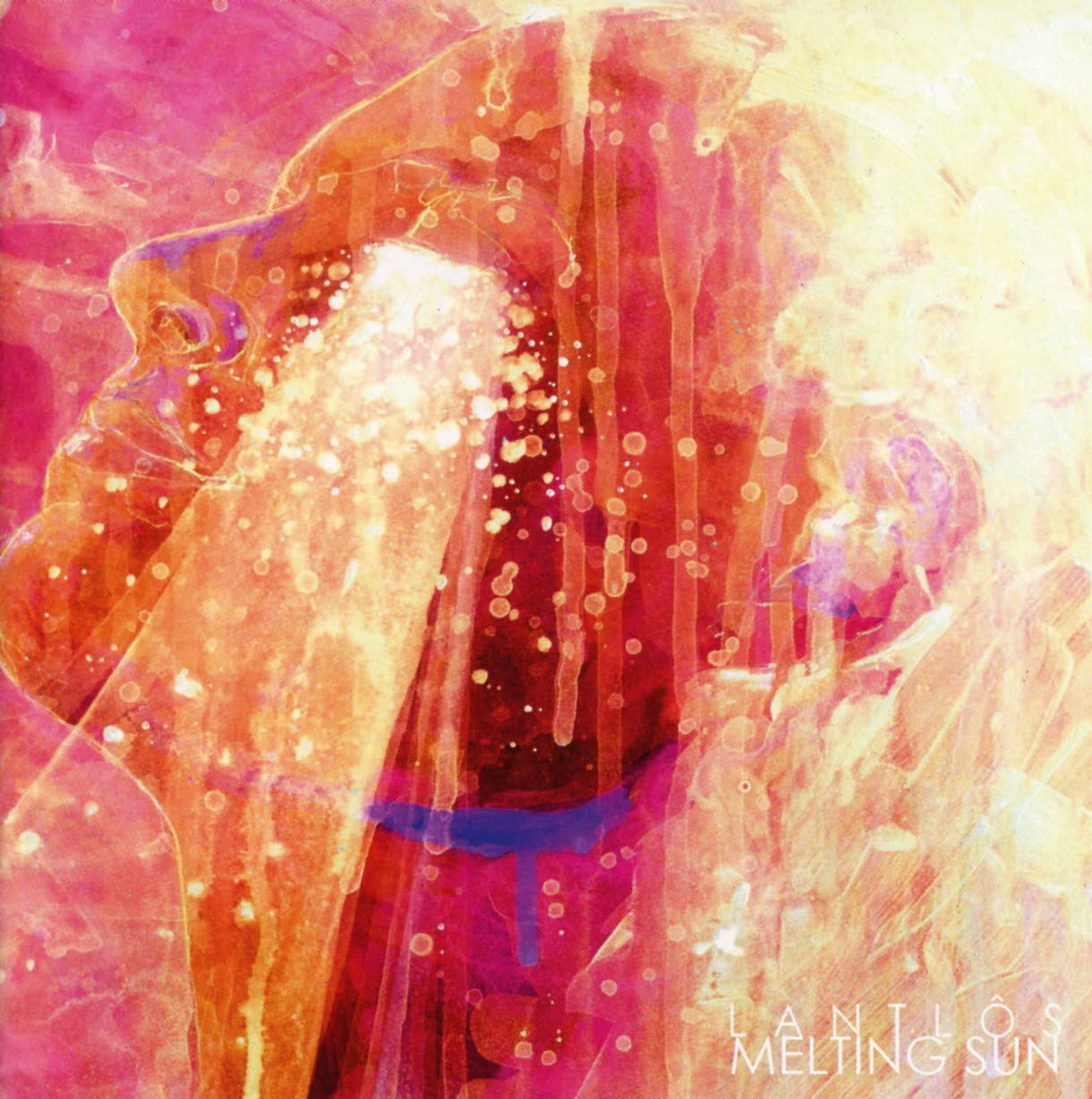
Melting Sun: How Lantlôs Shed Their Old Skin and Emerged Transformed

When Melting Sun arrived in 2014, it didn’t just mark a new chapter for Lantlôs—it closed an entire book . The album stands as a deliberate severing from the band’s black-metal lineage, replacing frostbitten atmospheres with radiant melancholy, shoegaze textures, and an almost physical sense of warmth. It’s not merely a stylistic pivot; it’s a philosophical one. To understand Melting Sun , you have to trace the long arc of transformation that brought Lantlôs there—and then follow the album...

READ ARTICLE ↗
LISTENING   /   2025-12-19

Axiom: Sound as Philosophy — Bill Laswell and the Art of Radical Collaboration

There are record labels, and then there are ideas masquerading as record labels. Axiom Records , founded by Bill Laswell in the early 1990s, belongs firmly in the latter category. More than a catalog of releases, Axiom was a deliberate experiment: a space where genre collapsed, geography dissolved, and sound itself became a philosophical inquiry. Listening to Axiom today feels less like revisiting a label and more like opening a time capsule from an alternate musical universe—one where dub,...

READ ARTICLE ↗
LISTENING   /   2025-12-19

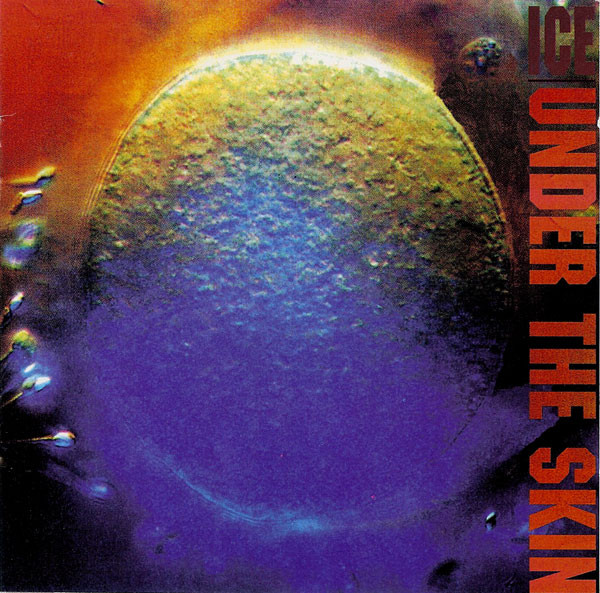
ICE - Under The Skin (1993)

Released in 1993, Under the Skin is the debut album by the experimental industrial/dub project Ice , a foundational work that forged a unique and unsettling sonic space. A collaboration spearheaded by Kevin Martin (known later as The Bug) and Justin Broadrick (of Godflesh, Jesu and Final fame), the album blends the rhythmic heaviness of industrial metal with the expansive soundscapes of dub, trip-hop, and avant-garde jazz. The Architects of an Urban Dystopia Ice was a studio-based project...

READ ARTICLE ↗
LISTENING   /   2025-12-18

Unwound — Leaves Turn Inside You (2001)

By the time Leaves Turn Inside You arrived in 2001, Unwound were already legends in motion—never static, never comfortable, and never interested in repeating themselves. What no one quite realized at the time was that this would be their final statement: a double album that didn’t just close a chapter, but dissolved the entire book into something larger, stranger, and more reflective than anything they’d done before. From Olympia to Everywhere Unwound emerged from Olympia, Washington in the...

READ ARTICLE ↗
LISTENING   /   2025-12-18

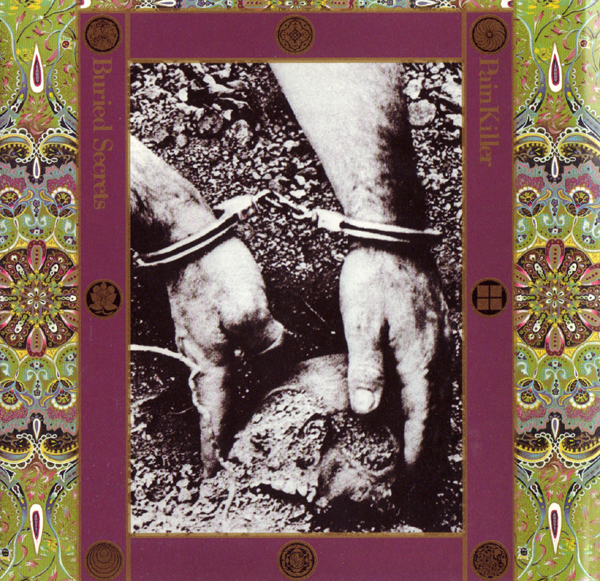
Painkiller – Buried Secrets (1992)

When people talk about extremity in early ’90s heavy music, Painkiller often sits outside the usual lineage. Too brutal for jazz purists, too abstract for metal traditionalists, and too confrontational for casual listeners, the trio of John Zorn , Bill Laswell , and Mick Harris existed in a category entirely of their own. Buried Secrets , released in 1992 on Earache Records, is the moment where that experiment fully detonates. This is not an album that eases you in. It assaults, fragments,...

READ ARTICLE ↗
LISTENING   /   2025-12-18

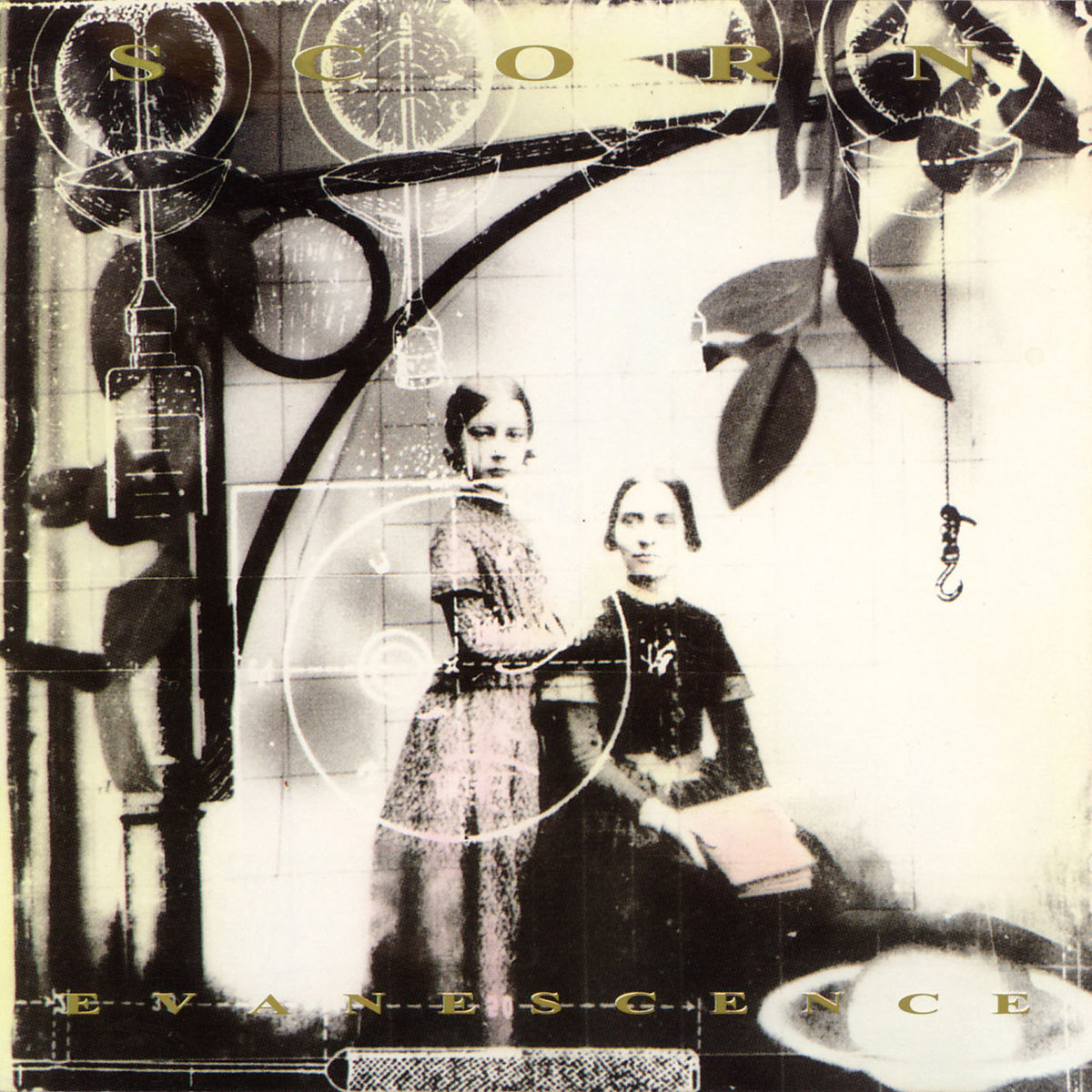
Scorn – Evanescence (1994)

Total withdrawal, total control. By the time Evanescence appeared in 1994, Scorn was no longer shedding its past—it had already sealed the door behind it . What remains is one of the most quietly radical albums to emerge from the post-grindcore underground: a record that transforms extremity into something slow, airless, and psychologically oppressive. This is not a transitional album. Evanescence is a destination . From Napalm Death to Nowhere Scorn’s roots in Napalm Death matter—not...

READ ARTICLE ↗
LISTENING   /   2025-12-18

Godflesh – Pure (1992): Industrial Metal at Its Coldest

This was my introduction to the band and what a whirlwind musical rabbit-hole it would create for me in the years that followed. Nine Inch Nails wishes they were this heavy and dark. Other bands would use this band's sound as a template. Created by a former founding member of Napalm Death it would create some of the heaviest sounding music one can imagine. And not just sonically, but as felt meaning and mood, as well. Not much can get heavier than this except maybe their previous release,...

READ ARTICLE ↗
WORKSHOP   /   2025-12-09

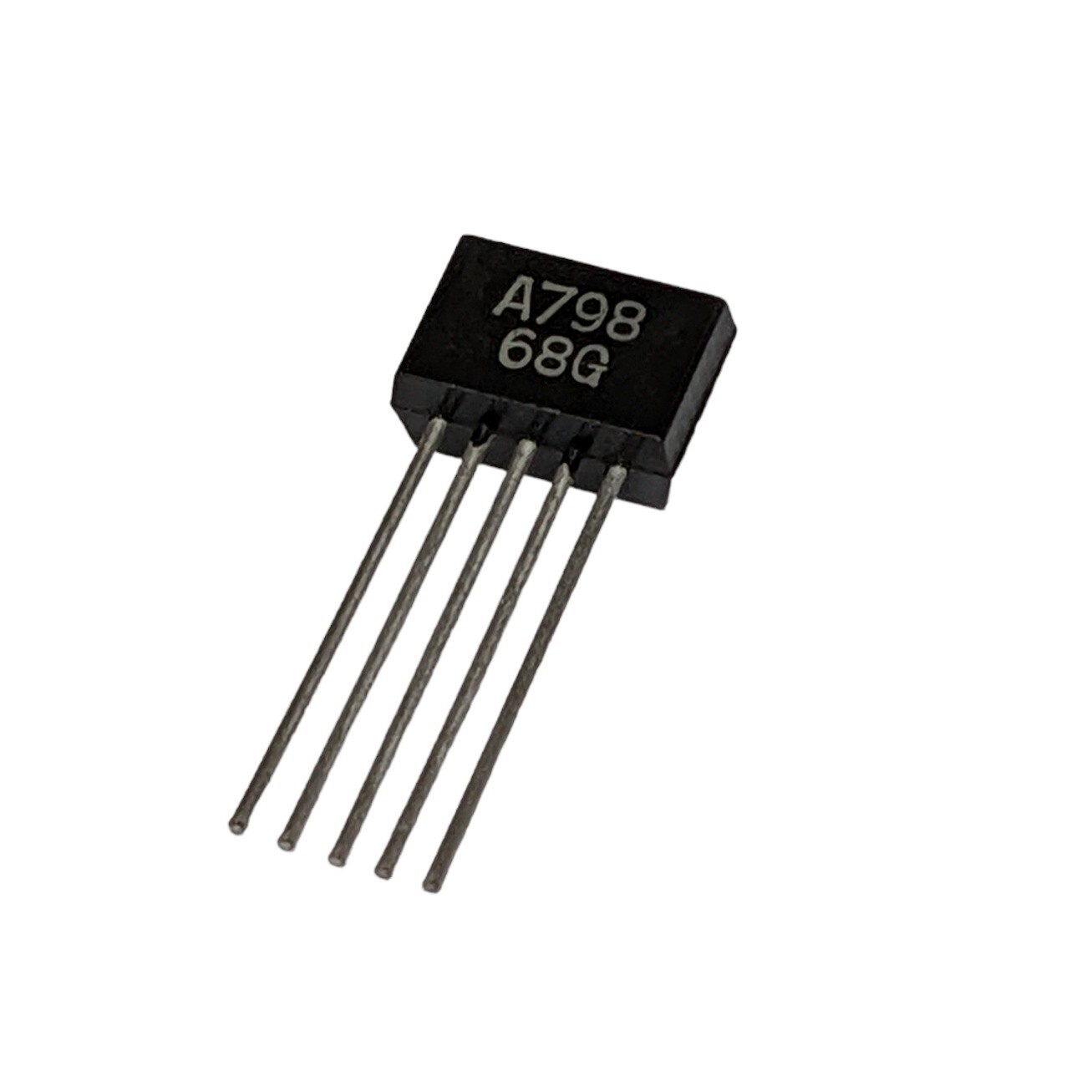
Dual transistors and why they suck.

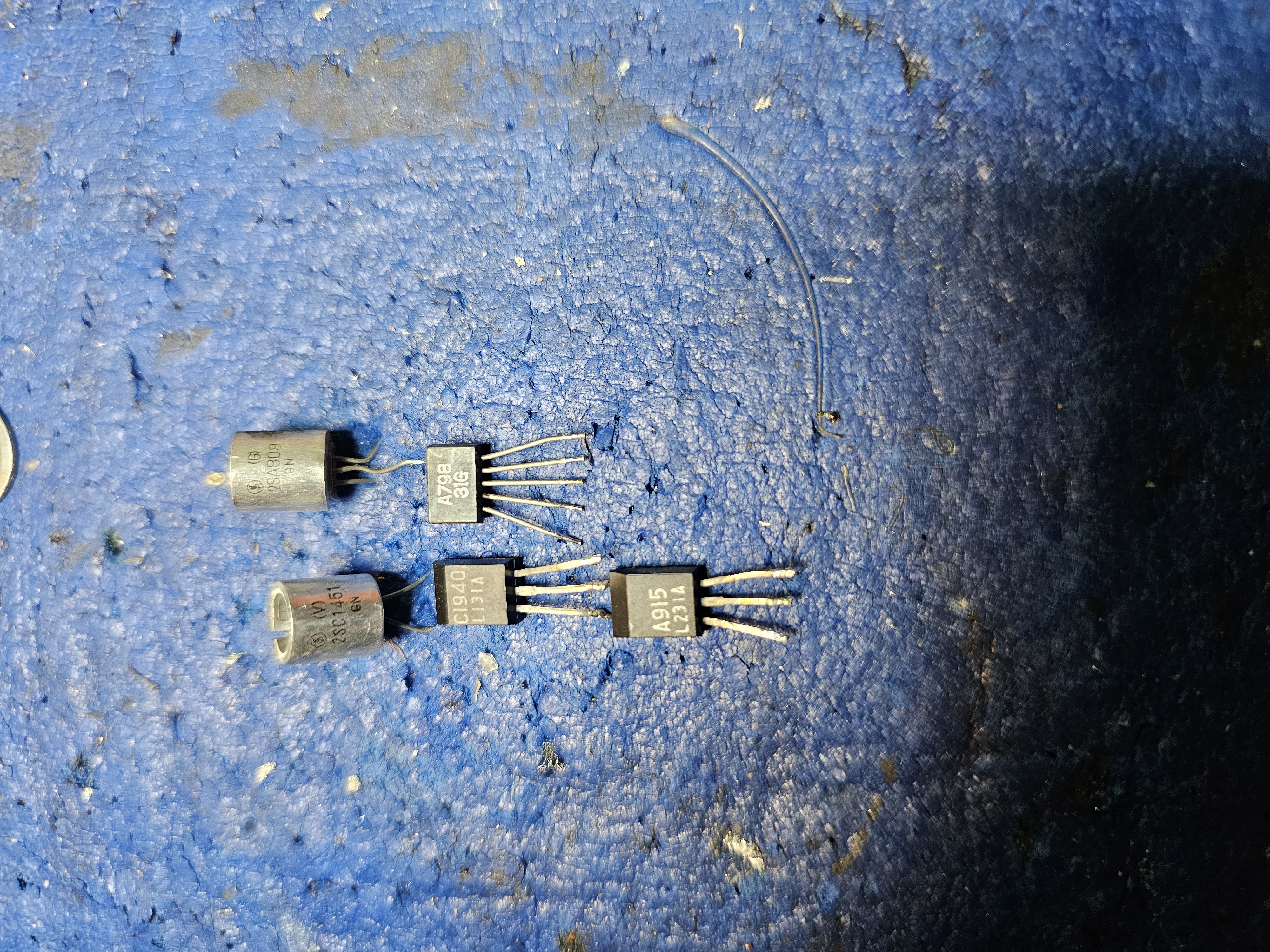
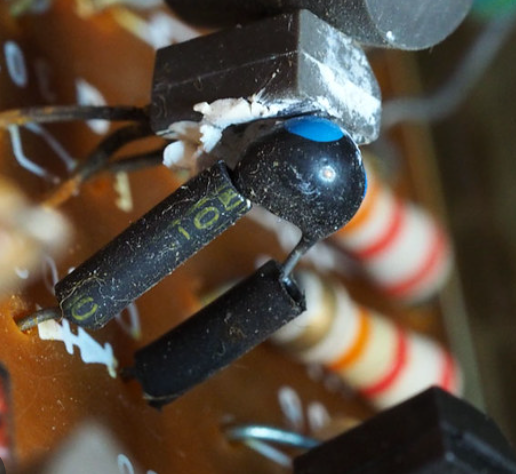
If you spend any time restoring vintage amplifiers, you’ve probably encountered the 2SA798 . This small, unassuming part shows up in classic gear from Sansui, Pioneer, Luxman, Kenwood, and others—and it’s responsible for more noise issues than almost any other semiconductor of its era. In this post, we’ll take a closer look at what the 2SA798 is, why it fails, and how to replace it using modern, reliable parts. What Exactly Is the 2SA798? The 2SA798 is a dual PNP low-noise transistor ...

READ ARTICLE ↗